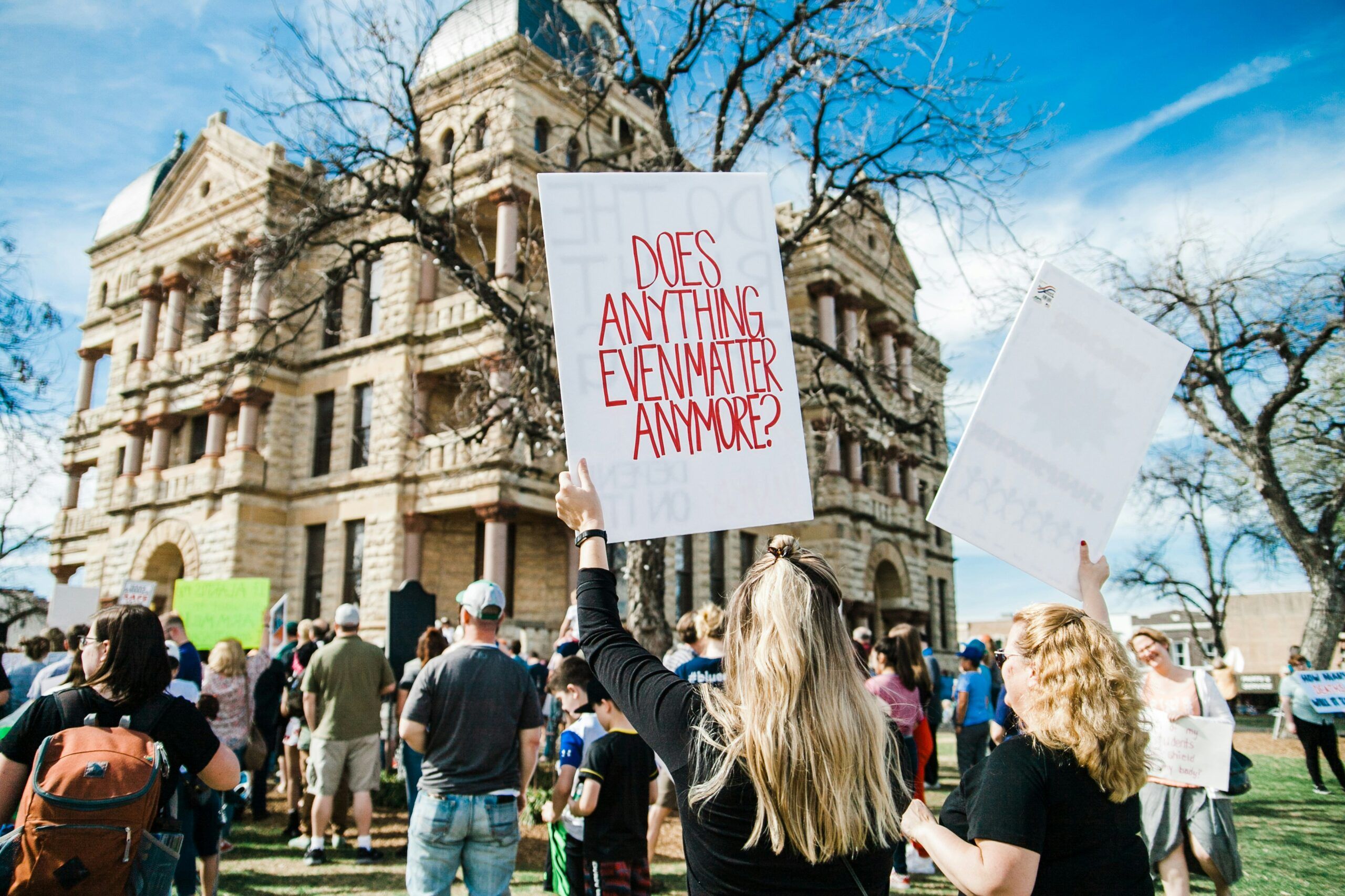
“Another Woke Book.“
“Keep politics out of my media!“
“Stop forcing your agenda on your readers!“
We all know the verbiage at this point, and we all know what the words mean. I don’t even think people are being subtle about it anymore. Recently, Andy Serkis talked about his lack of diversity in his new Lord of the Rings movie, The Hunt for Gollum, by saying “But I don’t think we will be doing a politically correct just-casting-for-the sake-of-casting-and-ticking-boxes version of the film.” According to Serkis, the Shire is simply white because they’re isolated and don’t like outsiders, so why would he change that? Of course, nothing happens in a vacuum and this conversation comes on the heels of Rings of Power being heavily criticized for being “too woke” because they dared to include Black characters in their cast.
Beyond the words of Serkis, the internet is quick to reinforce that including people of color, LGBTQ+ people, women, and an array of additional marginalized voices means that the show is bending the knee to the forces of D.E.I. and the IP in question has “become too political.” How dare a queer person believe they could exist in a — checks notes — completely fantastical world up that is made up and not actually real.
None of this conversation is new, for anyone who has been paying attention to the internet for any amount of time. We’ve seen it in Marvel when they dared to allow one of their own characters, Captain Marvel, headline her own movie, or when Black Panther was announced with a predominately Black cast. It crops up any time Disney announces another “first-openly-gay-character” in one of their movies, or if people simply think a character could be queer. Back in 2016, people lost their minds when a new Ghostbusters movie featured an all-woman cast. These movies get review bombed for being “woke,” “political,” and “shoving DEI in our faces.”
Now, imagine being a writer in 2026, with your first self-published novel coming out (hopefully) in a few months in this environment. I’m a queer person who uses he/they pronouns and believes that perhaps having diversity in my stories is a good thing. The probability that I will get one star reviews on various platforms for my book is high, and not because I’m a bad writer but because I’m writing what I know: Queerness.
We have arrived at a point in time where talking about your own lived experience is painted as “adding politics to the story,” but the reality is for so many writers the themes people are protesting are unavoidable. I could write a story that featured straight people, doing heterosexual things, and never venture into queerness, but it would lack a piece of my voice in writing that make my work unique and special. It would lack me.
For many, none of this is new, and we’ve had this conversation many, many, many, many times. So now what? Well, I want to offer up a few pieces of advice for creatives who are wrestling with how to write authentically in this current climate.
Write Unapologetically Yourself.
Here’s the reality: If you’re a writer of any kind who is not a cis-het white man, people are going to say you’re including politics. They’ll claim you’re trying to indoctrinate people to your wicked liberal ways of believing that people should have a right to exist. So, if you’re going to be accused of being woke and political regardless, lean into it. Write your experiences. Include diverse voices that you want to see more of in stories. Do not steer away from themes just because you’re worried someone will say it’s too political. The story will find the right audience.
Don’t Engage.
99% of the people who roll up in people’s comments, leave one-star reviews, or otherwise try to challenge the “wokeness” of your story are not arriving in any good faith. They’re bad actors looking for rage-bait clicks on whatever they’re saying. When I first dropped a tabletop role playing game online, the very first comment I got under it was “sad to see this woke game in this bundle,” as I had put it in a CHARITY BUNDLE raising money for California wildfire relief. It was the first comment I got on my game, and it was a hate comment. My game wasn’t judged on any merits of game mechanics, but it was simply deemed woke because it was about queer spies. I promptly reported it and deleted it. Don’t feed the trolls.
Find Your People
Being a creative in this world is hard, and being a creative who holds a marginalized identity is often even harder. While doing creative work can feel isolating at time, it doesn’t have to be. I may write with headphones in and blocking out the world while sitting at a coffee shop, but I have writer friends and a small but mighty Discord server where people can connect. The space serves as an opportunity for people to both support one another and use the space to scream into the proverbial void at the absurdity of our works being “too political” for simply including diversity.
The obvious follow up question is: Where do you find people?
Here’s a few places I’ve had success:
- Conventions & Book Events! Understanding these can be cost prohibitive and also challenging for folks who don’t love introducing yourself to strangers you just met during an event of some sort. I will say though that it can be a great space to find people you connect with who share some sort of similar interest depending on the event you’re at.
- Social media! Yes, I have been harping on the lows of social media, but it does have positives! Otherwise, why are we there? Search hashtags like #amwriting, #lgbtqwriters, #blackwriters and more to find people to follow on platforms like BlueSky and Instagram. There’s also accounts that will do weekly check-ins about writing.
- Discord servers! These ones can be a little trickier, and for me, they’re step two after conventions or social media. Once you’ve found some people you want to stay connected with, create a space for it. There are writing Discord servers out there, but I tend to prefer creating and managing my own. Even 5-6 people in a server sharing resources, feedback, and encouragement can make so much difference.
Uplift Others
We are our best hype people. When you see a book release, repost it. When someone asks for recommendations of media, talk about works by marginalized creatives! Word of mouth continues to be one of the strongest ways that people are able to get their work found by others. People are way more likely to pick up something new if it comes with a stamp of approval from someone they know.
In Conclusion
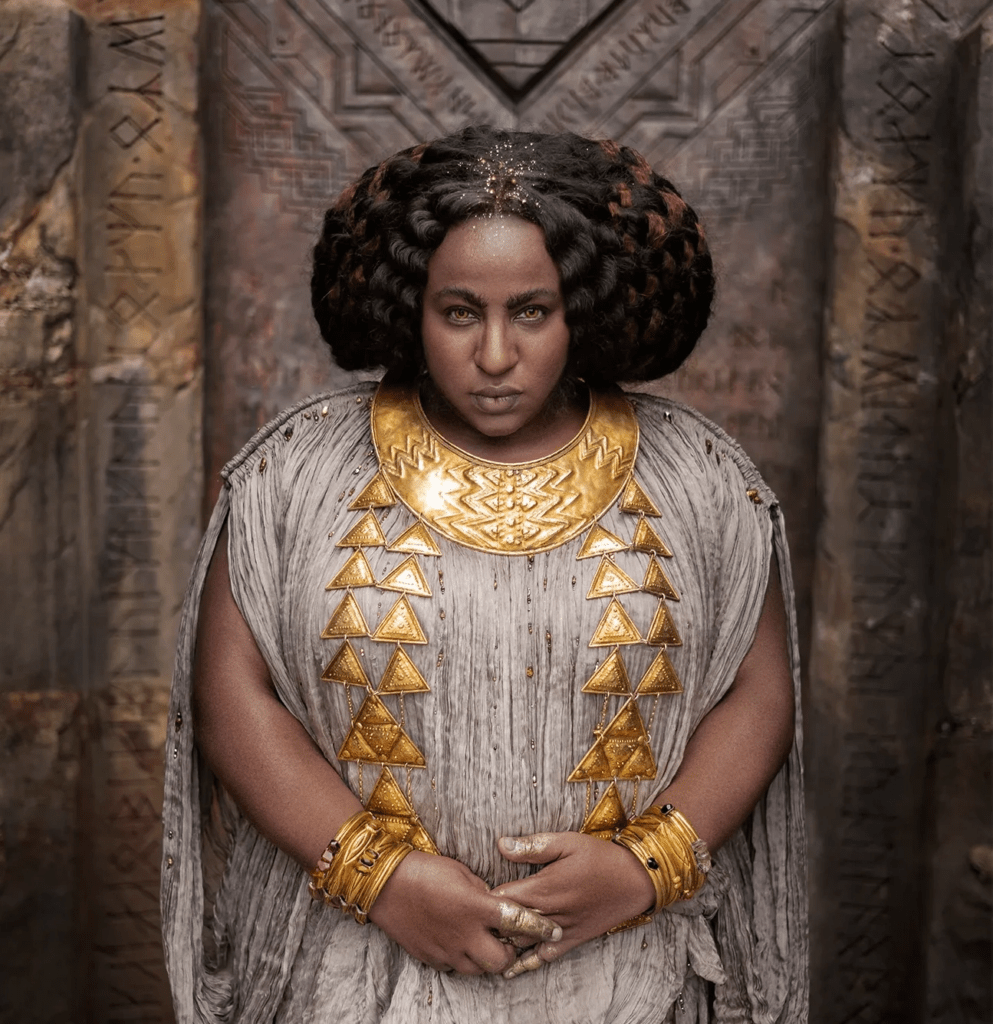
If you’re someone who holds any sort of marginalized identity in a creative space, there will always be people on the internet screaming that you’re being too much, too political, too woke. I don’t believe we have to accept this as our experience as creatives, but I do acknowledge it is the current reality. However, I believe there are more people who will love your work, love what you’ve created, and support your future projects than there are people who won’t. Much like Disa from Rings of Power, we need to use our voices to make a change in the world, because if we don’t, people like Andy Serkis certainly will use theirs to create the world they want.

![Read more about the article [Author Highlight] Adam Sass](https://ecrumrine.com/wp-content/uploads/2020/09/OFFICIAL-COVER_flat-197x300.jpg)
![Read more about the article [Book Highlight] A Darker Shade of Magic](https://ecrumrine.com/wp-content/uploads/2020/02/a-darker-shade-of-magic-victoria-schwab-featimg-1038x576-1-300x166.png)